Fascinating Brutalist Architecture and New Rope Clothes Hangers are two of my recent obsessions.
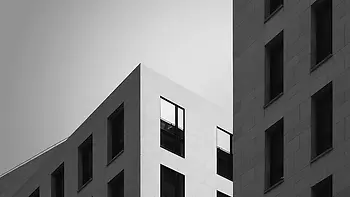
Brutalism: It is art, a sculpture you can walk in, work in, live in.
In the 1950s, in the UK, the architectural vibe called was emerging. It was all about showcasing raw materials like concrete, steel, and brick and ditching the fancy stuff for a more minimalist look, using large structural elements as design features. There were lots of sharp angles, simple colours, and a vibe that was all about the structure. It wasn’t just the UK—communist countries were embracing it, too. It was a cool, no-nonsense style of the post-war era.
Brutalist designs became most commonly used in the design of institutional buildings, such as public works projects, social housing, universities, libraries, courts, and city halls.
Some would consider this style cold and lifeless, but it stood the test of time, and now we see New Brutalism being used not only in a commercial setting but also in modern homes. The use of raw materials is at the forefront of modern architecture. Easy to soften by texture and colour, it fulfils the requirements for functionality, durability, and affordability and embraces the beauty of raw materials, concrete being at the forefront.
Some of what I consider the best examples from around the world are:-
PARIS
Les in Ivry-sur-Seine Architect Jean Renaudie was tired of the cramped living conditions in south-eastern Ivry-sur-Seine, so he turned to the stars for inspiration. His unique geometric style has gained international recognition, but nothing beats experiencing these ’70s icons in person. Renaudie called this place home until his passing in 1981.
[caption]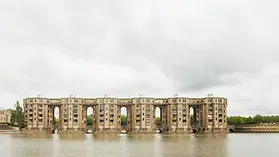 Le Viaduc de Montigny[/caption]
Le Viaduc de Montigny in Montigny-le-Bretonneux! Dubbed “Versailles for the people,” this striking housing complex was erected in 1979. Drawing inspiration from the majestic Château de Chenonceau, the six-block viaduct extends over a vast artificial lake west of Paris.
LONDON
Brunel University tasked Richard Sheppard, Robson, and partners with creating the design for its Uxbridge Campus. Back then, Brunel University, named in honour of the renowned nineteenth-century engineer Isambard Kingdom Brunel, was one of the largest engineering schools in Europe. The lecture theatre building is a prime illustration of Brutalist architecture.
[caption]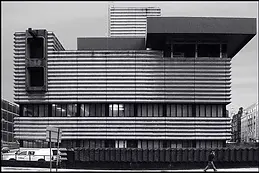 New Street Signal Box[/caption]
The New Street Signal Box was built in 1964 in the Brutalist style, popular at the time. It’s big, angular and uncompromising. It is now an iconic, heritage-listed building for its “exceptional architectural quality” and “strongly sculptural form”. The Signal Box was designed by Bicknell and Hamilton (an architectural practice led by John Bicknell and Paul Hamilton.
GERMANY
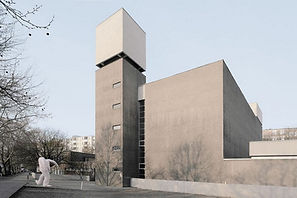
I am in awe of Saint Agnes Church.
“The church doesn’t stand apart from everything else,” Werner Düttmann said when he was building it, “it stands in the way.”
The inauguration of the church with its formidable tower was held on the May 16, 1966.
Düttmann, was considered the greatest architect of the postwar period and was Berlin’s director of urban development (1960–1966). With its unmistakable brutalist forms and bold, unyielding lines, the St. Agnes building complex evokes the same impact on people today as it did on its completion back in the 60s.
AUSTRALIA
[caption]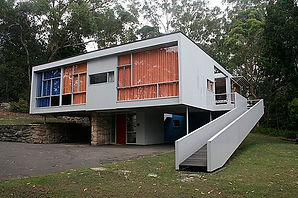 Rose Seidler House[/caption]
In Australia, Brutalism also infiltrated residential design. Renowned architect Harry Seidler was considered a Brutalist designer. Rose Seidler House, designed for his mother, was his first Australian project. It caused a sensation as Australian suburbia struggled to understand the modernist style.
Australia’s inaugural brutalist-style building emerged as the Hale School Memorial Hall in Perth. Designed by Marshall Clifton, it was completed in 1961, sparking a blend of acclaim and controversy. As time progressed, this architectural style gained prevalence, if not widespread popularity, reaching its peak by the mid-1970s.
We now see the Brutalist design aesthetic being applied to many residential buildings, the voluminous walls beautifully standing naked, highlighting the light and shade of the various angles which appear throughout the day. They also allow artwork to shine and take centre stage against the raw background. The Steel structural beams give a sense of strength and longevity to the building, and the use of brick is either contrast or the central feature. The more I look into Brutalist architecture, the more exciting it becomes. Look out for examples in your area from the 1950s through to now. It’s outstanding, and confronting style demands attention.
[caption] Peppermint Rope Hangers[/caption]
What can I say? I love these stylish Rope Hangers from the German company Peppermint. They are so beautifully designed and come in a wonderful choice of colours. Upping the look of your wardrobe has never been easier. Give your wardrobe a makeover and check them out, they’re selling out fast!