
Transform your backyard by creating a healing herb garden. Herb gardens are perfect for a small to average backyard, bringing beauty, history, and wellness right to your doorstep. Incorporating ancient medicinal herbs like wormwood and rue not only adds unique textures and scents but also connects you to centuries of herbal traditions. These plants have been valued for their healing properties and protective qualities, making them perfect choices that nurture both body and spirit.
The Charm of Wormwood and Rue in Your Garden
Wormwood (Artemisia absinthium) and Rue (Ruta graveolens) are hardy, aromatic herbs with a rich past. Wormwood is known for its silvery-green leaves and bitter taste, while rue displays blue-green foliage and small yellow flowers. Both thrive in well-drained soil and full sun, making them suitable for many backyard settings.
Historical Uses of Wormwood
Wormwood has a long history in herbal medicine. Traditionally, it was used to aid digestion, relieve intestinal worms, and stimulate appetite. Its bitter compounds encourage the production of digestive juices, which can help with bloating and indigestion. In the 19th century, wormwood was a key ingredient in absinthe, a famous herbal spirit.
Historical Uses of Rue
Rue has been used since ancient times for its medicinal and culinary properties. It was believed to ease muscle pain, reduce inflammation, and act as a natural insect repellent. Rue was also used in small amounts to flavour dishes, although its strong aroma means it should be used sparingly.
Superstitions and Protective Traditions
Beyond their practical uses, wormwood and rue carry fascinating folklore. Many cultures believed these herbs could protect homes and families from evil spirits and bad luck.
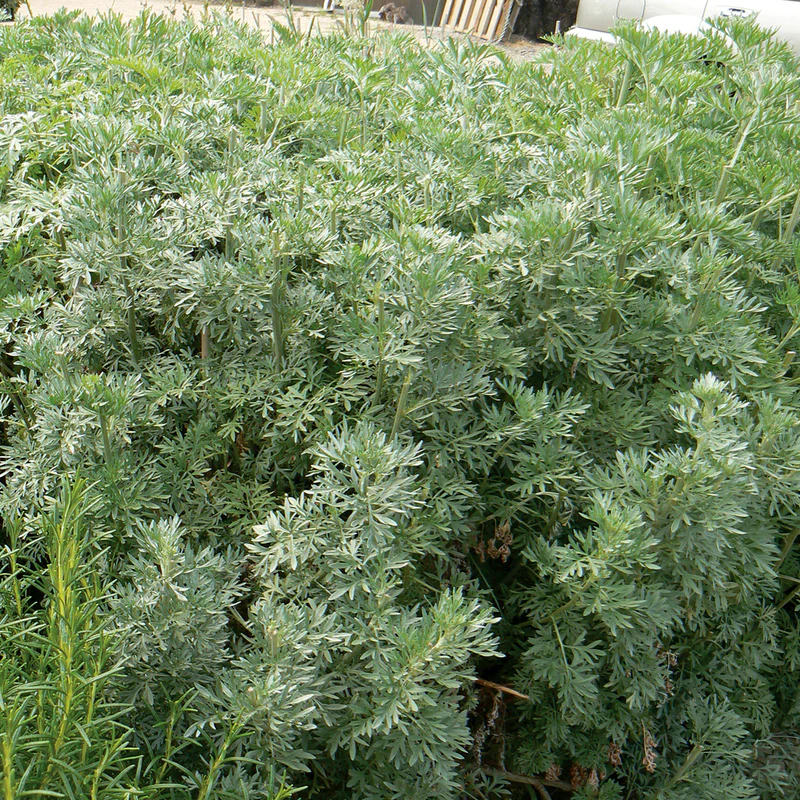
Wormwood was thought to ward off witches, not that we want to ward off these fine people nowadays, and negative energy. Hanging dried wormwood bundles near doors or windows was a common practice to keep harmful influences at bay. Why not grow the ‘Green Fairy’ in your own garden? This is the true wormwood used as flavouring in the production of Absinthe, an alcoholic liquor favoured by French bohemians in the 1860s and featured in Baz Luhrmann’s Moulin Rouge.
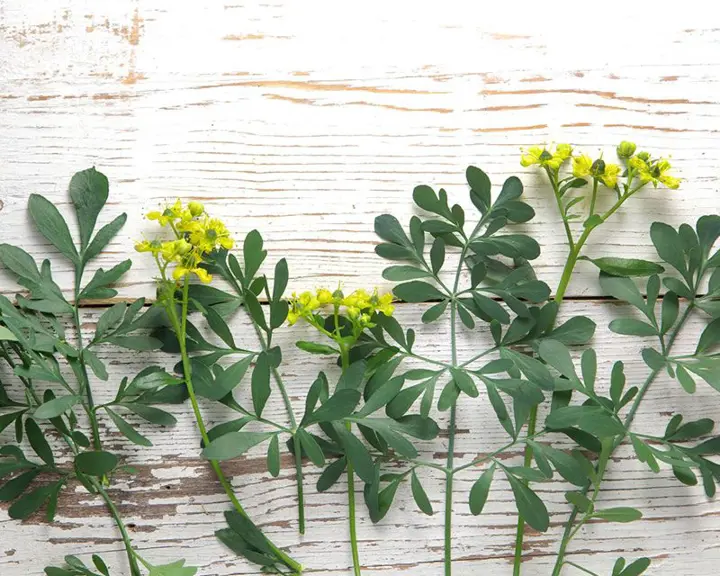
Rue earned the nickname “herb of grace”, often planted near homes to shield inhabitants from misfortune. It was also carried as a talisman or burned as incense during rituals to cleanse spaces. At first glance, you might think the rue plant is an ordinary blue-green bushy herb with flowers waving above the foliage. You will discover it has distinguishing characteristics worth noting. When the rue plant’s leaves are lightly disturbed, it gives off a fruity scent. When the plant is crushed, it emits a strong musk odour. You will love rue, the rue plant is a natural choice for a butterfly garden because, as well as being beautiful, it is a host plant for the black swallowtail, giant swallowtail, and other butterflies.
These traditions add a mystical layer to your garden, inviting a sense of protection and well-being.
Designing Your Healing Herb Garden
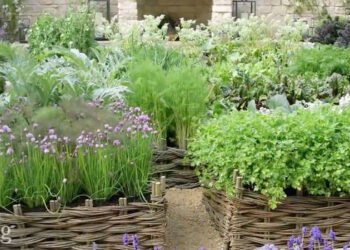
When working with limited space, thoughtful design is key. Here are some tips to help you create a garden that is both functional and visually appealing.
Layout and Plant Placement
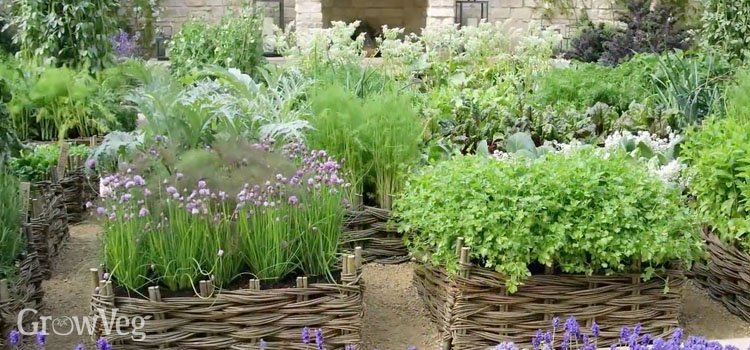
- Use raised beds or containers to maximise space and improve soil drainage. Wormwood and rue prefer well-drained soil, so containers can help control moisture levels.
- Group plants by their sunlight needs. Both wormwood and rue thrive in full sun, so place them where they will receive at least six hours of direct sunlight daily.
- Combine with complementary plants. Pair wormwood and rue with other herbs like lavender, thyme, or sage to create a diverse, fragrant garden.
- Create pathways or stepping stones to access plants easily without compacting the soil.
Practical Maintenance Tips
- Watering: Both herbs are drought-tolerant once established, which is perfect for most Australian climates. Water moderately, allowing the soil to dry between watering sessions.
- Pruning: Regularly trim wormwood and rue to encourage bushier growth and prevent legginess. Harvest leaves as needed for use.
- Pest control: Rue naturally repels many insects, reducing the need for pesticides, Yay! Wormwood’s bitter scent also deters pests.
- Soil care: Add organic compost annually to maintain soil fertility and structure.
Bringing Healing and History to Your Backyard
Planting wormwood and rue offers more than just greenery. These herbs connect you to ancient healing practices and protective customs. They invite you to slow down, learn about natural remedies, and create a space that supports health and harmony.
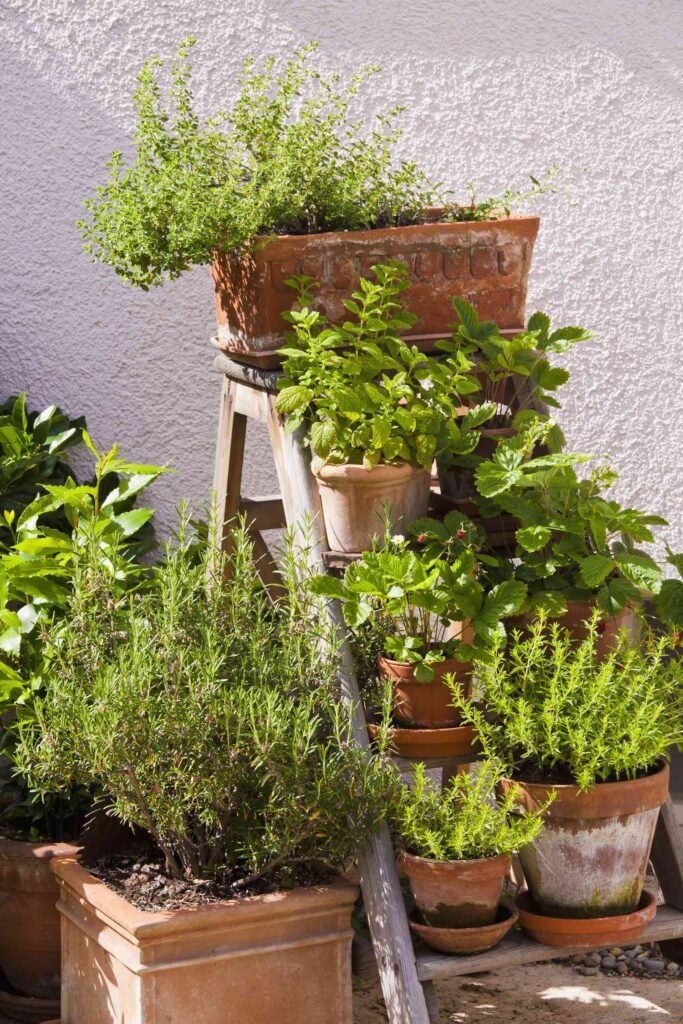
By carefully planning your garden layout and maintaining your plants with simple care routines, you can enjoy a thriving healing herb garden even in a small backyard. Whether you use the herbs for teas, natural remedies, or simply appreciate their beauty and scent, your garden becomes a living tribute to herbal wisdom.
Where to buy? If you are lookingto grow your own Wormwood or Rue, Herb Cottage sells an amazing variety of Organic Herbs.
If you are looking for a tincture, go to Artemisia absinthium or Ruta graveolens.
Note: Please read the advisory notes of these tinctures and seek medical advice before taking them.